Rosenborg Castle Copenhagen: crown jewels and royal history (2026)
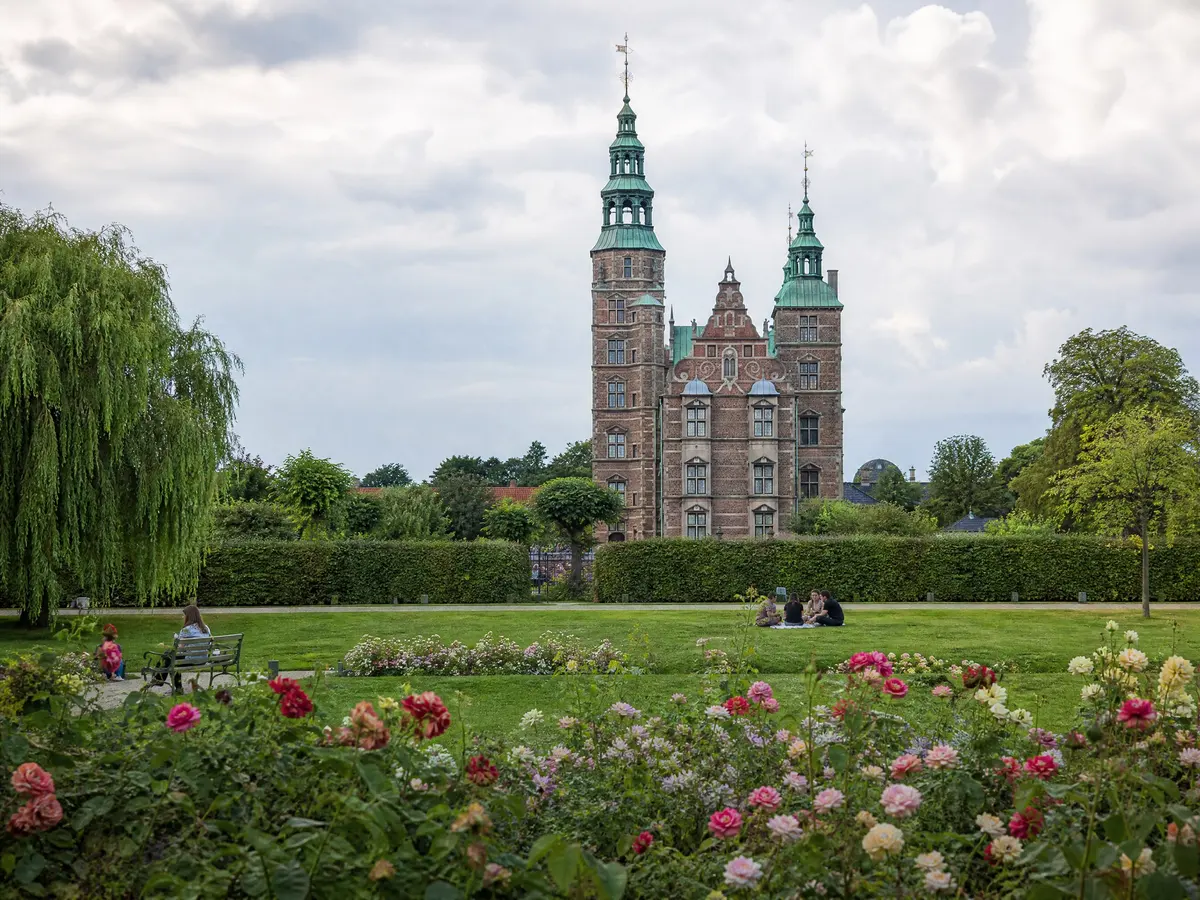
Rosenborg tickets and entry options
Rosenborg offers clear, straightforward entry: museum access includes the Crown Jewels, royal furniture, tapestries, and six centuries of Danish royal history. You can pair it with Amalienborg via a combo ticket, or fold it into the Copenhagen Card.
Standard entry ticket
All six floors, Crown Jewels (Treasury, basement), royal furniture, weapons, tapestries, and audio guides in five languages. The classic single-palace choice for anyone interested in Danish royalty.
Check ticketsTwo-palace combo ticket
Rosenborg Castle plus Amalienborg Palace Museum (royal rooms at Amalienborg). Entry to both palaces and the squares. Best value if you want to see both royal residences in one visit.
Copenhagen Card
24 to 120 hours of entry to Rosenborg, Tivoli, Christiansborg, Amalienborg, and 75+ other museums, plus all public transport. Worth it if visiting 3+ attractions. Check which pass length suits your schedule.
Check ticketsExpert-led palace tour
English-language guides dive into royal history, the stories behind the jewels, and hidden details you’d miss alone. Group tours run weekends; private tours can be arranged. Book ahead.
Check ticketsBuy tickets online at kongernessamling.dk or at the gate. Weekday mornings (9:00 to 11:00) have the shortest queues. Audio guides (Danish, English, German, French, Swedish) are included with entry and narrate all six floors.
Highlights
- The Crown Jewels (Treasury, basement) — intricate gold crowns, scepters, orbs, and the royal regalia dating back centuries.
- The Knights’ Hall (2nd floor) — three silver lions, royal thrones, paintings, and the grandest room in the palace.
- Royal furniture and tapestries — six centuries of royal taste, from Renaissance to rococo to 20th-century decor.
- The King’s Garden (free) — 12 acres of formal gardens, tree-lined paths, and local hangout; enter anytime.
- The collections — weapons, porcelain, royal portraits, and everyday items that humanise the crown.
What to see inside Rosenborg
Rosenborg is six floors (plus basement), and the collection builds from everyday royal life on the lower floors to the Crown Jewels hidden below. Most visitors spend 60 to 90 minutes, focusing on the Treasury and the Knights’ Hall, then touring the upper floors at a pace that suits them.
The Treasury and the Crown Jewels
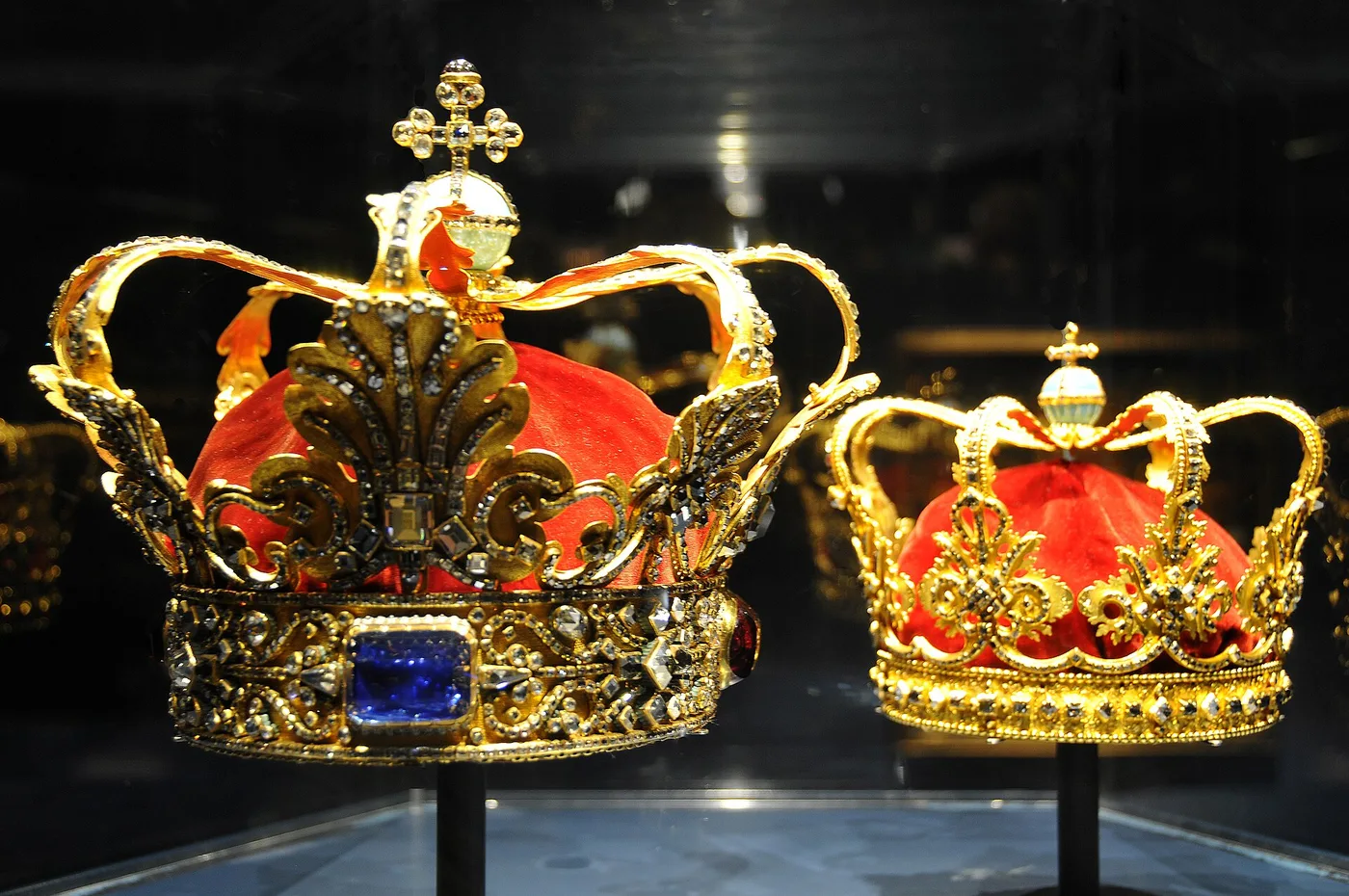
The basement Treasury is the crown jewel—literally. Here sit the Danish Crown Jewels in a vault-like hall: Christian IV’s gold crown (1596), Christian V’s crown studded with gems, scepters, orbs, and intricate religious vestments. The collection represents six centuries of monarchy and is displayed behind glass in softly lit cases. It’s genuinely spectacular and the reason most people visit. Audio guides explain the history of each piece — which king wore it, how old it is, and its symbolism.
Spend 20 to 30 minutes here. The jewels are small and intricately detailed; the audio guide brings each piece to life.
The Knights’ Hall and royal chambers
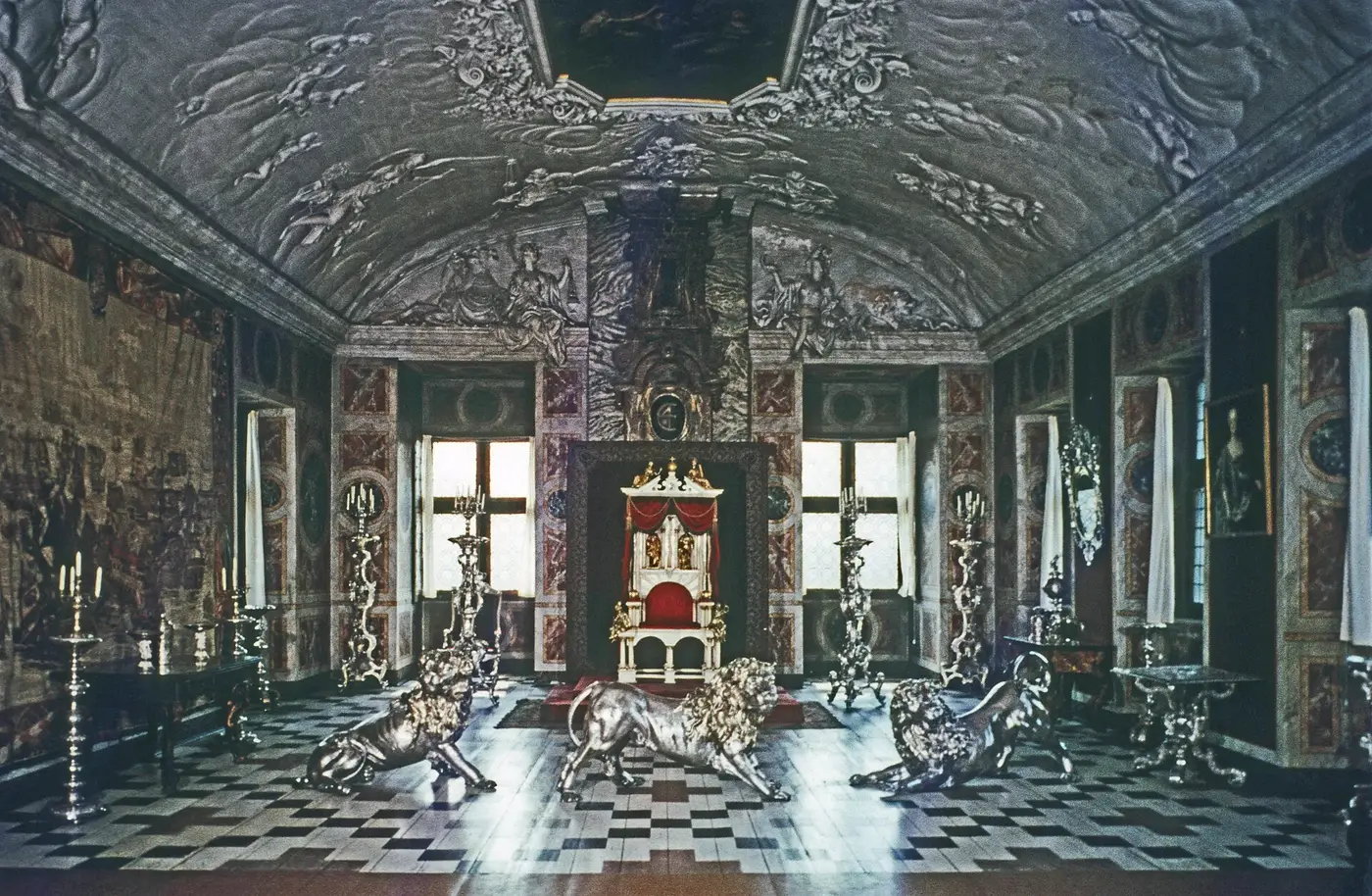
The 2nd floor holds the Knights’ Hall, the palace’s ceremonial heart. Three enormous silver lions (1680s) flank the royal thrones, and the room glitters with mirrors, chandeliers, and royal portraits. This is where the royal court held banquets and ceremonies. The surrounding rooms showcase royal furniture, tapestries, and paintings from the 16th to 20th centuries — Renaissance, baroque, rococo, and neoclassical styles on display in genuine period rooms.
The silver lions are iconic symbols of Danish royalty. Stand in the middle of the room and take in the full ornate effect — the audio guide narrates the hall’s history.
Royal life: chambers, weapons, and everyday collections
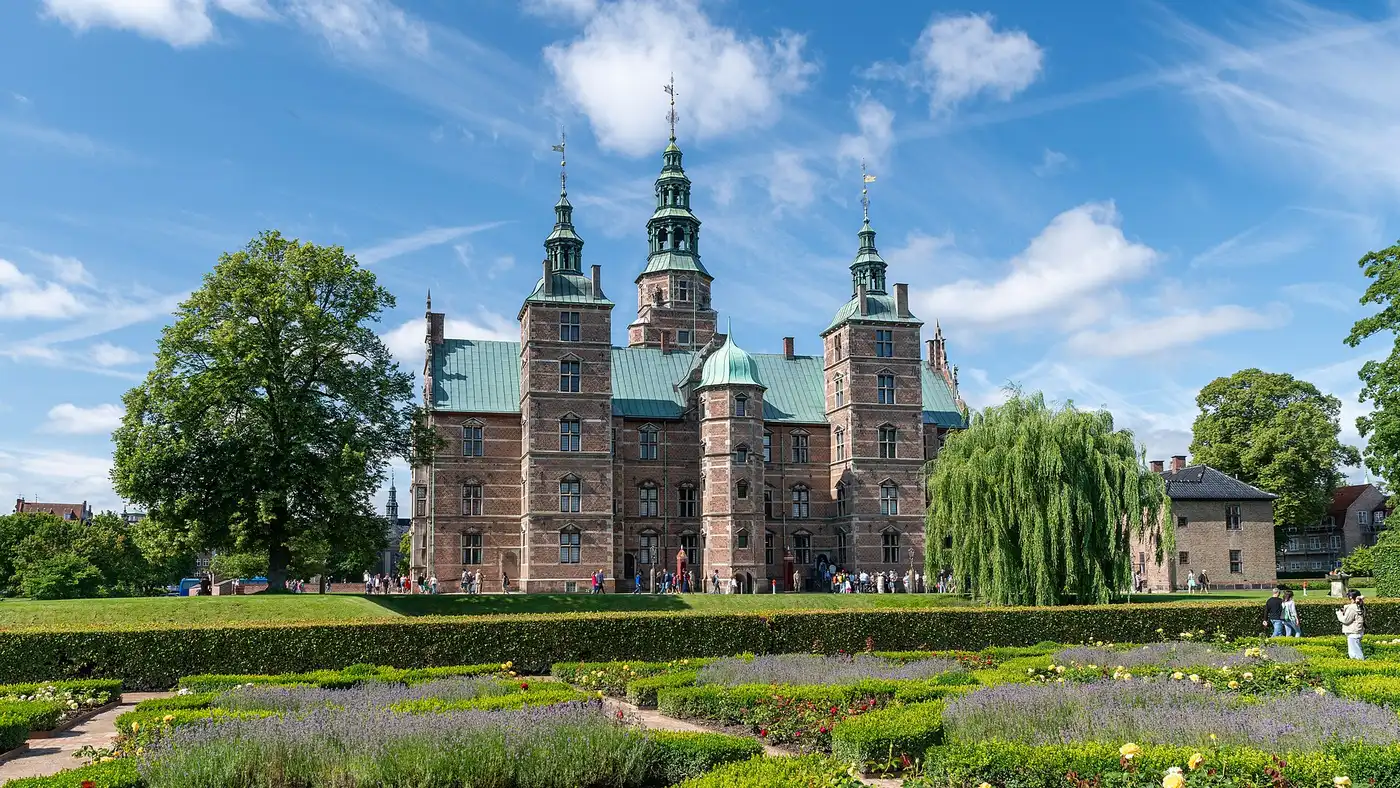
The remaining floors (1st, 3rd, 4th, 5th) display royal life across the centuries: royal bedrooms with ornate four-poster beds, a world-class weapons collection (royal hunting rifles, swords, armour), porcelain and glassware, royal portraits, and intimate personal items that show the human side of monarchy. The upper floors are quieter and less crowded than the Treasury, offering a deeper dive into six centuries of Danish royal taste and everyday life. Allow 45 to 60 minutes to walk all floors at a relaxed pace.
The King’s Garden (Kongens Have)
The garden surrounding Rosenborg is free and open year-round. At 12 acres (5 hectares), it’s one of Copenhagen’s finest green spaces: formal baroque flower beds, tree-lined walking paths, fountains, and benches. Locals use it as a lunch spot and afternoon escape. Spring (April to May) brings tulips and cherry blossoms; summer is lush and full. You can enter the garden without a museum ticket and enjoy a picnic on the lawns — bring your own food or sit with coffee from a vendor.
Tickets and prices (2026)
| Ticket | Price | Covers | Book |
|---|---|---|---|
| Rosenborg entry, adult | DKK 135 / EUR ~18 | All six floors, Crown Jewels, audio guides | Book › |
| Rosenborg entry, child 6-17 | DKK 60 / EUR ~8 | All floors with adult | Book › |
| Rosenborg entry, under 6 | Free | With paying adult | — |
| Rosenborg + Amalienborg combo | DKK 225 / EUR ~30 | Both palaces and museums | — |
| Guided tour (group) | DKK 250 / EUR ~33 (plus entry) | Expert 60-90 min tour in English | Book › |
| Copenhagen Card | from DKK 599 / EUR ~80 (24 h) | Rosenborg + Amalienborg + 75+ sites + transport | Is it worth it? |
Prices in EUR are approximate conversions (DKK 7.45 per EUR). Combo tickets and the Copenhagen Card represent significant savings if you visit 2+ attractions. Children under 6 enter free with a paying adult.
Opening hours (2026)
| Season | Hours | Closed |
|---|---|---|
| January to April & October to December | 10:00–16:00 | Mondays (Nov-Dec) |
| May to September | 9:00–17:00 | None (open daily) |
| July to August | 9:00–18:00 | None (open daily) |
Hours vary by season. The palace is closed some Mondays in winter (check the official calendar). The King’s Garden is always open.
How much time to spend
Garden walk only (free): 30 to 45 minutes. Museum + garden: 2 to 2.5 hours. If you’re adding Amalienborg Palace (15 min walk away), allocate 4 to 5 hours total for both palaces and the guard change ceremony.
Getting to Rosenborg
By metro or train
Take metro M2 to Nørrebro station (red line) and walk 5 minutes north to the castle entrance. From Central Station, it’s about 15 minutes on foot: head north through the city centre toward the Nørrebro neighbourhood, and the castle appears at the north edge of the King’s Garden. The nearest metro stop (Nørrebro) has clear signage to the castle.
On foot or by bike
From the city centre (Strøget, Rådhuspladsen): 12 to 15 minutes walk north. The path is flat and easy to navigate. By bike: cycle north on Fiolstræde (from the city centre) or use the main Copenhagen bike lanes that connect all neighbourhoods. Bike parking racks are at the castle entrance.
Nearby: what to combine with Rosenborg
Rosenborg works well with a royal sites day: Amalienborg Palace and the Changing of the Guard (12:00 noon daily) are 15 to 20 minutes away on foot or a quick metro hop. Christiansborg Palace and its free 106-metre tower are a 10-minute bike ride south. The whole royal circuit — Rosenborg, Amalienborg, Christiansborg — can be done in 4 to 5 hours if you skip the longest queues. The Copenhagen Card covers all three palaces plus transport, making a royal crawl very efficient.
Dos and don’ts
Do
- Start at the Treasury (basement) first, when you’re fresh. Queue during morning hours to avoid afternoon crowds.
- Use the audio guide on all floors — it’s included and brings each room to life with royal stories.
- Combine with Amalienborg and the Changing of the Guard (12:00 noon daily, 15 min walk away).
- Visit the King’s Garden free, even if you skip the museum. It’s one of Copenhagen’s best parks.
- Check the official calendar for evening hours in summer (sometimes open until 18:00).
Don’t
- Don’t expect Disney theming or interactive exhibits. It’s a genuine royal museum, quiet and scholarly.
- Don’t come on Mondays in winter (the palace closes some Mondays November to December).
- Don’t skip the Knights’ Hall. It’s the most visually impressive room after the Treasury.
- Don’t spend more than 90 minutes if you’re primarily here for the Crown Jewels. Upper floors can wait.
- Don’t assume all signage is in English. Download the museum map or use the audio guide to navigate.
Where to eat nearby
The immediate area around Rosenborg is residential, so dining is a 5 to 10-minute walk into the Nørrebro neighbourhood or back toward the city centre. Inside the King’s Garden: a small cafe with coffee, sandwiches, and ice cream (summer only, outdoor seating). Nørrebro district (5 min north): trendy cafes, street food, and casual restaurants (EUR 12 to 25). City centre (10 min south): Strøget and nearby squares have fine dining and casual eats (EUR 15 to 40+). Bring a picnic to the King’s Garden if you prefer budget eating.
Did you know? Five Rosenborg facts
- Rosenborg Castle was built between 1606 and 1634 by King Christian IV as a royal summer retreat and pleasure house — it only became a museum in 1833.
- The basement Treasury was sealed during World War II to protect the Crown Jewels from Nazi confiscation. The jewels never left the vault.
- The three silver lions in the Knights’ Hall (1680s) are symbols of Danish sovereignty and stand 3 metres tall. They are among Europe’s most valuable decorative sculptures.
- The Crown Jewels collection includes pieces dating back to the 1500s, making it one of the oldest royal regalia collections in the world still in original use.
- The King’s Garden surrounding the castle was laid out in the baroque style in the 1600s and is now freely open to the public year-round, used by locals as a morning jog route and lunch spot.
A short history
| Year | What happened |
|---|---|
| 1606–1634 | Christian IV builds Rosenborg as a royal summer residence in Dutch Renaissance style. |
| 1670s | The Three Silver Lions are commissioned for the Knights’ Hall, becoming iconic symbols of Danish power. |
| 1794 | Christiansborg Palace burns; the royal family moves to Amalienborg, but Rosenborg remains in use for ceremonies and storage. |
| 1833 | Rosenborg is converted into a royal museum open to the public, housing royal collections and the Crown Jewels in the Treasury. |
| 1940–1945 | During Nazi occupation, the Crown Jewels are sealed in the Treasury vault for safekeeping; they remain untouched throughout the war. |
| Today | Rosenborg remains one of Denmark’s most-visited museums, attracting over 200,000 visitors annually. |
Frequently asked questions
How long should I spend at Rosenborg?
1.5 to 2 hours: 15 min to walk through the gardens, 1 to 1.5 hours inside the museum.
Is the Crown Jewels display worth it?
Yes. The Treasury is the highlight. The rest of the museum is okay but not exceptional (typical royal memorabilia).
Can I bring a backpack inside?
Large bags may need to be checked. Check the Rosenborg website or ask at the desk.
Is there a cafe inside Rosenborg?
No cafe inside the castle. But there are benches in the King’s Garden where you can picnic or sit. Restaurants are 10 minutes walk towards the city centre.
Is Rosenborg accessible for wheelchairs?
The ground floor and some upper floors are accessible, but not all. Check with Rosenborg directly for specific access details.
Should I buy the Copenhagen Card for Rosenborg alone?
No. The card (EUR 79 for 24 h) is best if you visit 3+ attractions. For just Rosenborg (EUR 19 to 22), buy a single entry ticket.