Christiansborg Palace Copenhagen: the free tower and royal rooms (2026)
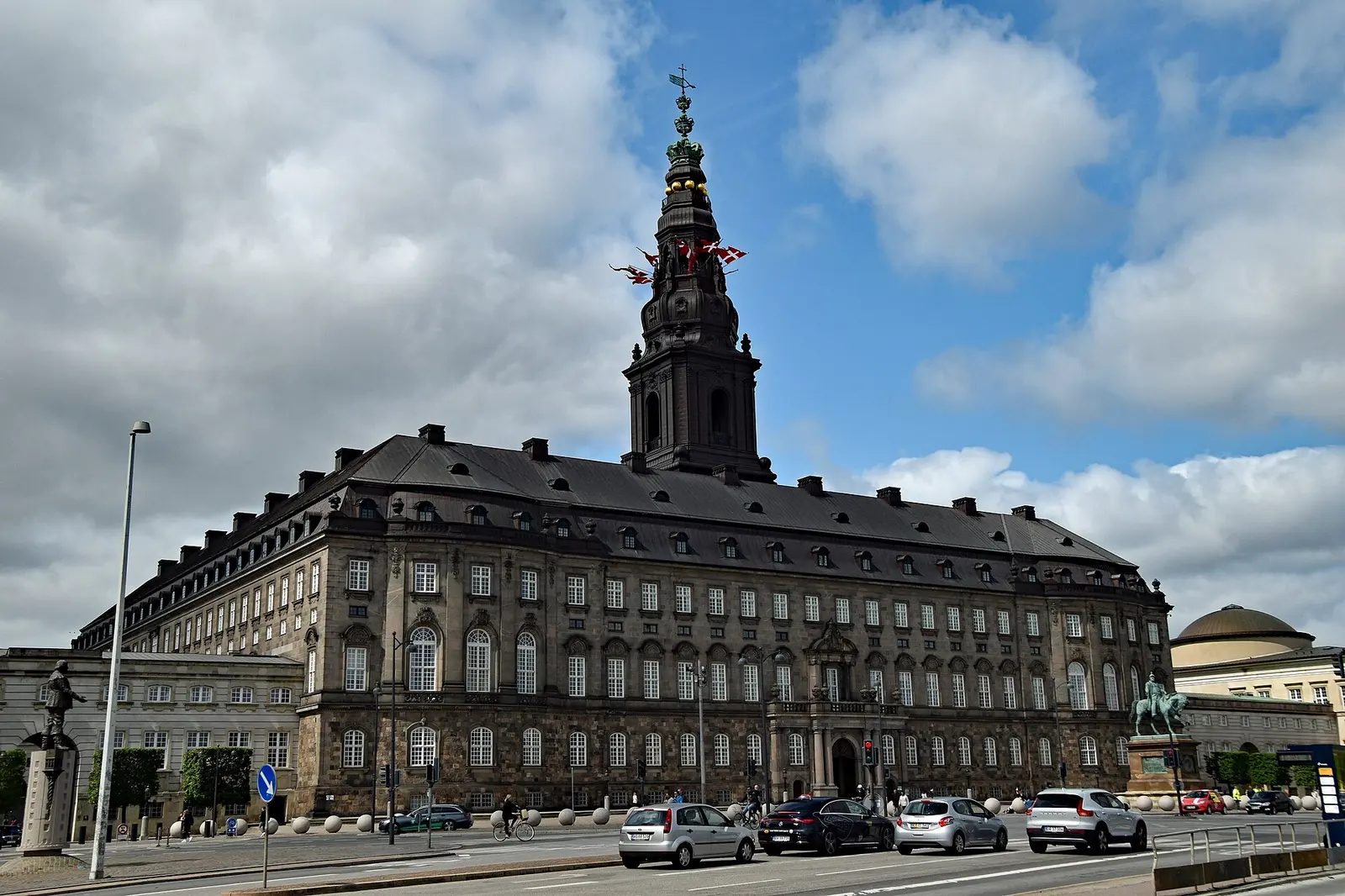
Christiansborg tickets and what to see
Christiansborg is layered: a free tower experience, optional paid reception rooms, optional royal stables, and the surrounding square and water. Most visitors come for the tower’s views. Some add the reception rooms if interested in royal decor and 18th-century state dining. The royal stables (20 horses, riding hall) appeal to equestrian fans.
Free city views from 106 metres
Elevator to the top, 360-degree panoramic views, clearest sight lines in Copenhagen. No entry fee. Open 9 a.m. to 4 p.m. daily. The best free view in the city. This alone is worth the detour.
Royal state rooms and decor
The official rooms where the Danish Queen hosts state dinners, plus tapestries by the artist Bjørn Nørgaard (commissioned for Queen Margrethe II’s 50th birthday, 2000). Formal, impressive, but quieter than the tower. Entry DKK 150.
Full palace experience ticket
Combines the free tower, the reception rooms, and the royal stables (20 riding horses, 18th-century equipment). Scan one ticket through the palace. Best if you want to see all three sections.
Check ticketsCopenhagen Card
24 to 120 hours of entry to Christiansborg (tower + reception rooms), Rosenborg, Amalienborg, Tivoli, and 75+ other museums, plus all public transport. Excellent value if touring multiple palaces in a day.
Check ticketsCome early (9:00 to 11:00) for the shortest tower queue and the clearest views (less haze). Clear days (especially spring and autumn) see 40 km into Sweden. The tower is genuinely the draw—the reception rooms are formal and less memorable.
Highlights
- The tower: 40 km views on clear days — the tallest structure in Copenhagen, free entry, elevator to the top.
- Panoramic Copenhagen — see the city, harbour, Amager, and countryside all at once from 106 metres high.
- The royal reception rooms — state dining hall with tapestries, ornate mirrors, chandeliers, and formal decor from the 1920s-1960s.
- The royal stables — 20 riding horses, saddles, and equipment in an 18th-century stone hall.
- Slotsholmen island — 800 years of Danish power concentrated on one small island (parliament, courts, palace, museums).
What to see inside Christiansborg
Christiansborg has three main attractions. The tower is the standout: free, quick, and spectacular. The reception rooms are beautiful but formal and quiet. The stables are niche. Most visitors come for the tower only, spend 20 to 30 minutes up top, and leave satisfied.
The tower: Copenhagen from 106 metres
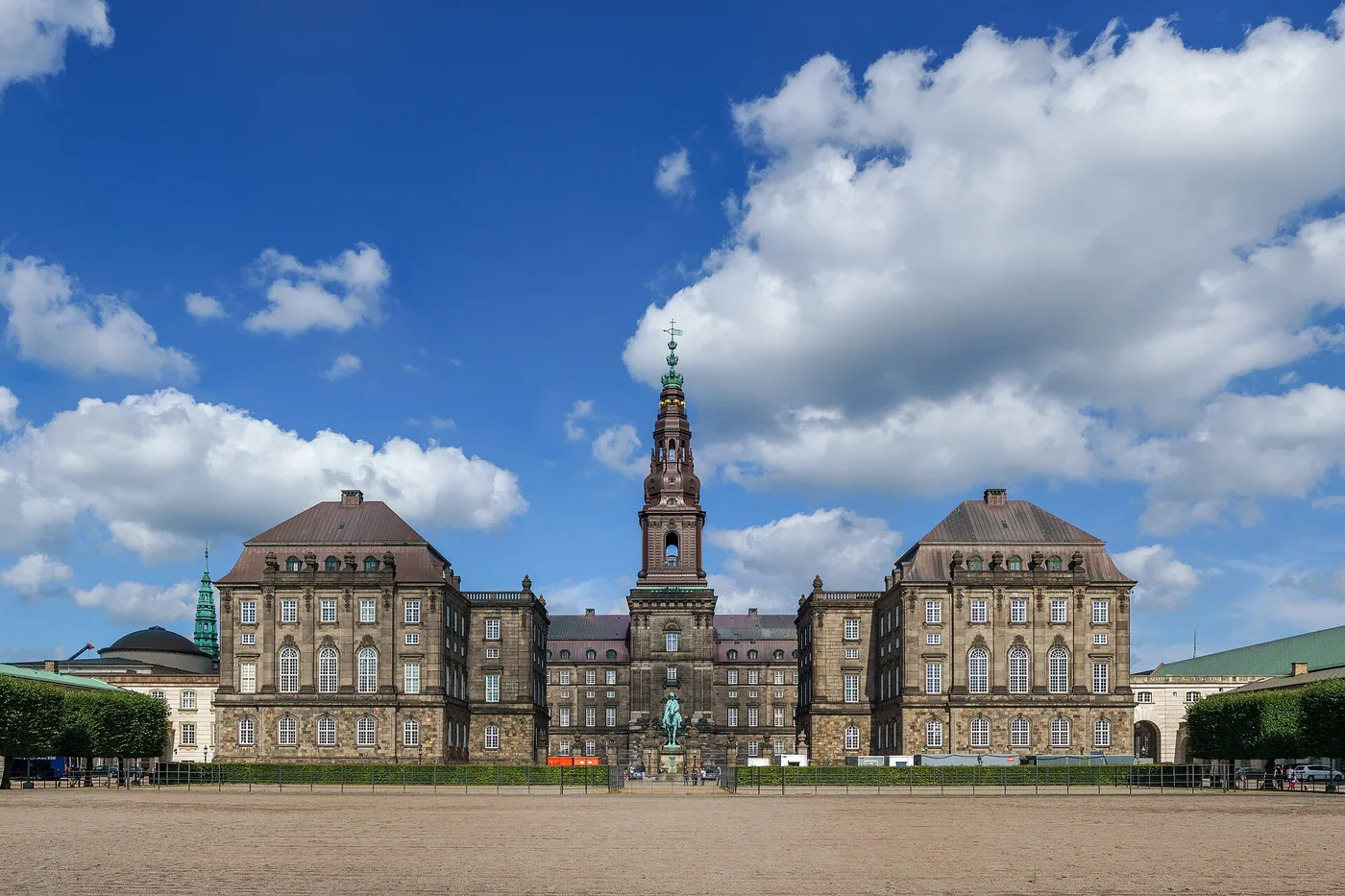
The tower is an elevator ride and a wide viewing platform. Step out and you see the whole city at once: the harbour to the east, the countryside to the west, Nørrebro and Vesterbrogade to the north, and Amager to the south. On clear days (spring, autumn, after rain) you can see 40 km into Sweden. Take a phone to zoom in on details — the statue at the Little Mermaid is visible as a tiny bronze speck on Langelinie. It’s Copenhagen from above, all free. Spend 15 to 20 minutes here.
Come 9:00 to 11:00 for the least crowded tower time. Afternoon is busier. On hazy days (summer) the 40 km view shrinks, but the city itself is still crystal clear.
The reception rooms and royal tapestries
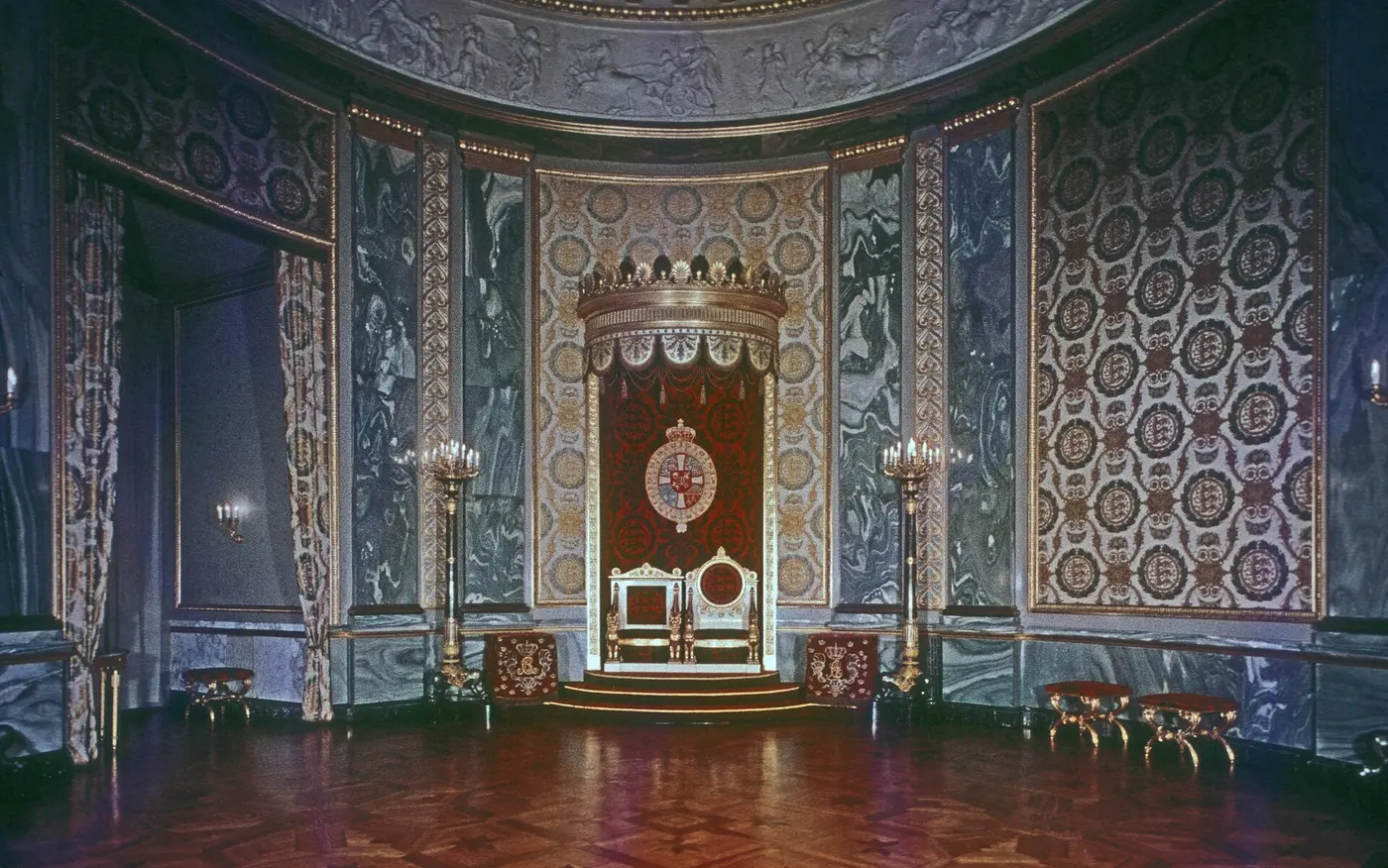
The reception rooms on the ground and first floors showcase state dining halls, grand staircases, and royal portraits. The standout is the Great Hall (Slotskirken) and the state banquet room, with immense tapestries woven by Danish artist Bjørn Nørgaard commissioned for Queen Margrethe II’s 50th birthday in 2000. The tapestries tell the story of Denmark and European history in wool and threads. It’s formal, quiet, and genuinely beautiful if you enjoy 18th- and 20th-century decor. Allow 30 to 45 minutes here. Audio guides (included) narrate in English.
The royal stables and riding equipment
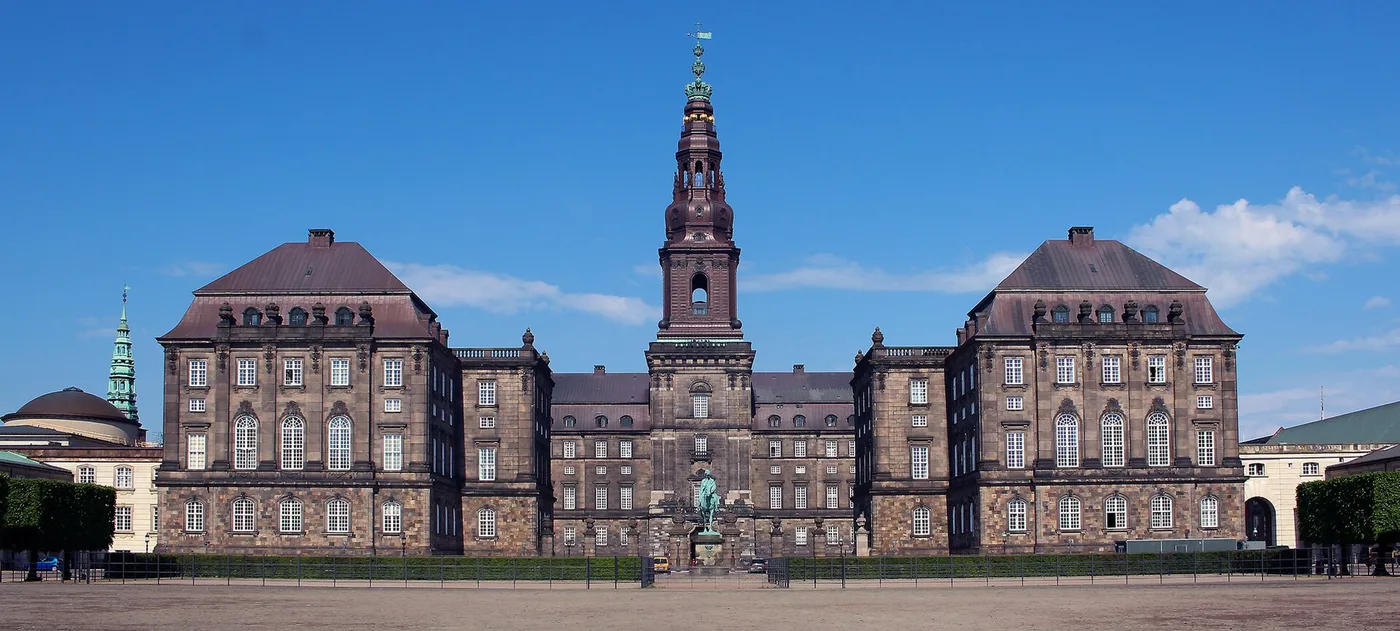
The royal stables house 20 horses used by the Royal Danish Regiment for state ceremonies, royal processions, and riding. The stone stable hall is 18th-century, with elegant stalls, saddle racks, and equipment displays. Horse enthusiasts and families with kids find this worthwhile; others may skip it. Allow 20 to 30 minutes. You can see the horses being groomed and exercised daily. Tours sometimes include a brief riding demonstration (check ahead).
Slotsholmen Island and parliamentary context
Slotsholmen island has been Denmark’s seat of power for 800 years. Today it holds the palace (where the Queen hosts dinners and state events), the Parliament (Folketing, where 179 MPs sit), the Supreme Court, the National Museum, and the ruins of earlier castles beneath the current building. The current palace was built 1907–1928 in the neoclassical style. It’s the only building in the world housing all three branches of government: executive (palace), legislative (parliament), and judicial (courts) under one roof.
Tickets and prices (2026)
| Ticket | Price | Covers | Book |
|---|---|---|---|
| Tower only, adult | FREE | Elevator + viewing platform (9 a.m.–4 p.m.) | — (no booking needed) |
| Reception Rooms, adult | DKK 150 / EUR ~20 | Ground + 1st floor state rooms, tapestries, audio guide | — |
| Royal Stables, adult | DKK 100 / EUR ~13 | Stable hall, 20 horses, riding equipment | — |
| Rooms + Stables combo | DKK 200 / EUR ~27 | Both attractions, audio guides | Book › |
| Copenhagen Card | from DKK 599 / EUR ~80 (24 h) | All Christiansborg attractions + 75+ museums + transport | Is it worth it? |
Prices in EUR are approximate (DKK 7.45 per EUR). The free tower is genuinely good enough on its own—most visitors skip the paid rooms. The Card is excellent if visiting 3+ attractions (Rosenborg, Amalienborg, Tivoli, Christiansborg, etc.) on the same day.
Opening hours (2026)
| Attraction | Hours | Closed |
|---|---|---|
| Tower | 9:00–16:00 (winter), 9:00–17:00 (summer) | Rare closures (weather) |
| Reception Rooms | 10:00–17:00 | Mondays; occasional state events |
| Royal Stables | 10:00–16:00 | Mondays; training hours vary |
Tower hours are earliest (opens 9 a.m.). Rooms and stables open at 10:00. The palace occasionally closes for state events or Royal Guard activities—check the official calendar ahead.
How much time to spend
Tower only (free): 20 to 30 minutes. Tower + one paid attraction: 1 to 1.5 hours. Tower + rooms + stables: 2 to 2.5 hours. If combining with Rosenborg and Amalienborg (both nearby), a full royal day is 4 to 5 hours.
Getting to Christiansborg
By metro or train
Take metro M1 or M2 to Kongens Nytorv (3 minutes from the palace, clear signage). Walk south over the Marble Bridge (Marmorbroen) and you arrive at Slotsholmen. From Central Station, walk 8 minutes: head toward Strøget and the city centre, then aim for the water (Gammel Strand). The palace is unmissable on the island.
On foot or by bike
From the city centre (Rådhuspladsen, Strøget): 8 to 12 minutes walk south. Head toward Kongens Nytorv (the historic square), cross the Marble Bridge, and you’re on Slotsholmen island. By bike: use the main Copenhagen bike lanes. Bike parking is free and plentiful by the palace entrance.
Nearby: what to combine with Christiansborg
Christiansborg is central to a royal sites day. Rosenborg Castle and its Crown Jewels are a 10-minute bike ride north. Amalienborg Palace and the Changing of the Guard (noon daily) are a 10-minute walk east along Nyhavn. Tivoli Gardens are a 12-minute walk west. A canal cruise departs from Gammel Strand (next to Christiansborg) every 30 minutes in summer. The National Museum is on the same island. Build a 5-hour royal and cultural day: tower view + Rosenborg + Amalienborg + guard change + canal cruise.
Dos and don’ts
Do
- Take the free tower first: it’s the main draw and takes only 20 minutes. Skip it if you’re short on time, but it’s free.
- Go early (9:00 to 10:30) for the clearest tower views and the shortest queues. Afternoon haze builds in summer.
- Combine with the guard change ceremony at Amalienborg (12:00 noon, 10 min walk away). Catch both in one outing.
- Walk or bike over the Marble Bridge to approach the island. The bridge itself is photogenic.
- Check the official calendar for state events. The palace sometimes closes without notice for royal ceremonies.
Don’t
- Don’t expect the reception rooms to match the tower’s impact. They’re formal museum spaces, not living palaces.
- Don’t visit on Mondays (rooms and stables closed). Tuesdays to Sundays only for paid attractions.
- Don’t spend more than 30 minutes on the tower if you’re short on time. The view speaks for itself.
- Don’t overlook Slotsholmen’s archaeology: there are ruins of 12th-century castles visible (ask staff for locations).
- Don’t buy the combined Card ticket if you’re only visiting Christiansborg. The tower is free, so the Card only adds reception rooms and stables—rarely worth EUR 80.
Where to eat nearby
Christiansborg is surrounded by the city centre, so dining is abundant. On Slotsholmen island: a palace cafe with coffee and sandwiches (inside Christiansborg, modest prices, EUR 8 to 15). Gammel Strand (directly across the water): seafood restaurants and casual lunch spots (EUR 15 to 30). Kongens Nytorv (5 min north): high-end and casual restaurants, European cuisine (EUR 20 to 50+). Strøget (8 min north): the pedestrian street with food courts, kebab, pizza, and cafes (EUR 8 to 25). Picnic friendly: grab a smørrebrød from a deli and eat by the palace waterfront.
Did you know? Five Christiansborg facts
- Slotsholmen island has been a seat of power for over 800 years. Four major palaces have stood on this spot; the current one (1907–1928) is the third.
- The 1794 fire that burned down the second palace (Christiansborg II) was so catastrophic that the royal family abandoned the palace entirely and moved to Amalienborg Palace in the Frederiksstaden district.
- Christiansborg is the only building in the world housing all three branches of government — executive (royal palace), legislative (parliament/Folketing), and judicial (supreme court) — under the same roof.
- The tapestries in the reception rooms, designed by Bjørn Nørgaard and woven over 10 years (1990–2000), depict 1,000 years of Danish and European history and are among the largest woven artworks in the world.
- The 106-metre tower was completed in 1928 and remains the tallest structure in Copenhagen. On the clearest days (usually spring or after storms), you can see 40 km into Sweden.
A short history
| Year | What happened |
|---|---|
| 1167 | Bishop Absalon establishes a fortress on Slotsholmen to defend Copenhagen. |
| 1607–1676 | Christian IV and Frederick III build Christiansborg Palace I — a massive baroque palace. |
| 1794 | A catastrophic fire destroys Christiansborg Palace I. The royal family abandons the island for 100 years. |
| 1884 | Another fire destroys Christiansborg Palace II (which had been rebuilt). The island remains dormant. |
| 1907–1928 | The current palace (Christiansborg Palace III) is built in neoclassical style. Parliament moves in. Now houses the Queen’s reception rooms, parliament, and courts. |
| 1990–2000 | The royal tapestries by Bjørn Nørgaard are commissioned and woven, completed for Queen Margrethe II’s 50th birthday. |
Frequently asked questions
Is the tower really free?
Yes, entry to the tower is completely free. No catch. Just open 9 a.m. to 4 p.m.
How long does the tower visit take?
15 to 30 minutes total (5 min elevator, 10 min to look around, 5 min back down). Longer if it’s crowded.
Can I see the Parliament from the tower?
No, the Parliament chamber is not open to tourists on the island. You see the city and the palace rooftops from above.
Are the reception rooms worth EUR 18 to 20?
Probably not, unless you’re interested in royal decor and state dining. The tower view is the draw. Most visitors skip the rooms.
Can I visit the Royal Stables?
Yes, but it’s a separate EUR 12 to 15 ticket. Combine with reception rooms for a joint ticket (EUR 18 to 20 for both).
Is there a cafe at Christiansborg?
Yes, a small cafe on the island. Or visit nearby restaurants in the city centre (2 to 5 minutes walk).